General information, not medical advice. Every baby is different — if anything worries you, speak to your midwife, health visitor or GP rather than waiting.
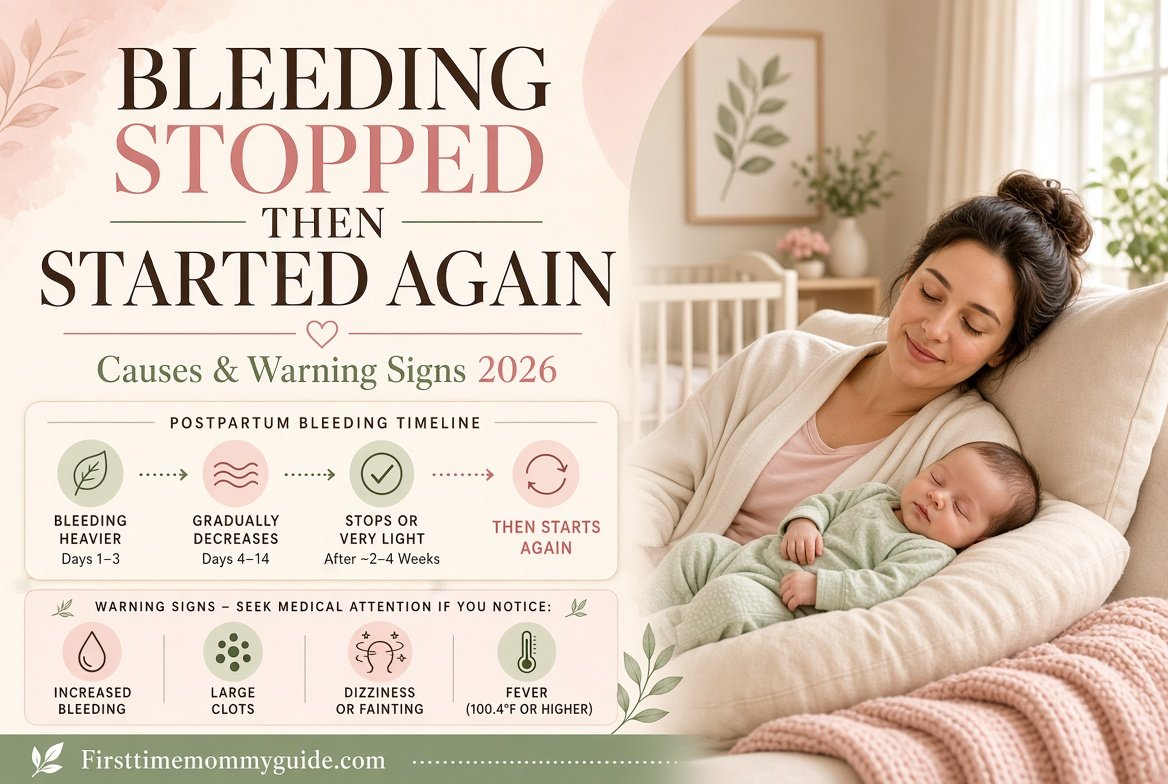
Bleeding after birth stopped then started again is something many new moms notice weeks into recovery, and it can feel alarming after the flow had already slowed down. In most cases, this happens because your uterus is still healing and settling back into its pre-pregnancy size.
Table of Contents
Bleeding After Birth Stopped Then Started Again

Postpartum bleeding, called lochia, does not always stop in a smooth, steady line. It can lighten, nearly disappear, then return as bright red flow for a day or two.
This is usually caused by activity, breastfeeding, or your uterus finishing its healing work. It is different from bleeding that is heavy, foul-smelling, or paired with fever, which needs medical attention.
What Is Lochia and Why Does It Happen
Lochia is the vaginal discharge your body releases after childbirth. It contains blood, mucus, and uterine tissue left over from pregnancy.
Your uterus sheds its lining after delivery, similar to a very long menstrual period. This process can take anywhere from three to six weeks, and sometimes longer.
Lochia happens whether you delivered vaginally or by C-section. The placenta separates from the uterine wall during delivery, leaving open blood vessels that need time to close and heal.
The Three Stages of Lochia
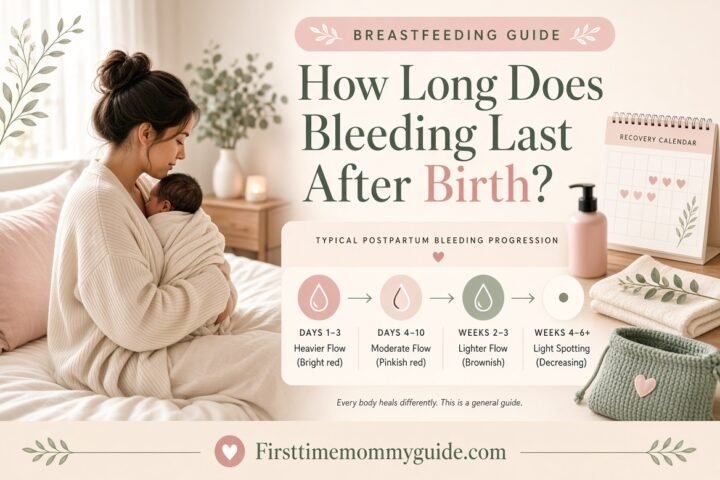
Postpartum bleeding moves through three recognizable stages. Knowing them helps you understand what is typical at each point in recovery.
| Stage | Typical Timing | Color | Flow |
|---|---|---|---|
| Lochia Rubra | Days 1 to 4 | Bright to dark red | Heavy, may include small clots |
| Lochia Serosa | Days 4 to 10 | Pink to brownish | Moderate, watery |
| Lochia Alba | Day 10 to 6 weeks | Yellowish white to clear | Light spotting or discharge |
Every mom’s timeline shifts slightly. Some women reach lochia alba faster, while others stay in the serosa stage a bit longer.
Why Bleeding After Birth Stopped Then Started Again
It can be unsettling when bleeding that had faded to spotting suddenly turns red again. In most cases, this is a normal part of recovery rather than a setback.
Doing Too Much, Too Soon
Overexertion is one of the most common reasons bleeding restarts. Standing for long periods, lifting your older child, or resuming exercise too early can disturb the healing uterine lining.
If you notice bleeding pick up after an active day, that is often your body’s signal to slow down. Resting usually brings the flow back to its previous level within a day or two.
Breastfeeding and Oxytocin
Nursing releases oxytocin, the hormone that helps your uterus contract. These contractions are healthy, but they can also trigger a fresh wave of bleeding.
Many moms notice spotting or a light red flow specifically during or right after a feeding session. This pattern is considered normal lochia behavior.
The Return of Lighter Bleeding Known as Parting Bleeding
Some midwives describe a short return of red bleeding once lochia has mostly faded as parting bleeding. It reflects the uterus shedding its final layer of healing tissue.
This type of bleeding tends to last only three to four days. It may feel similar to menstrual cramping just before it starts.
Early Return of Your Period
If you are not exclusively breastfeeding, your period may return as early as six to eight weeks postpartum. This first period can feel heavier or arrive with more clotting than usual.
It can be hard to distinguish an early period from lochia at first. Tracking timing and flow pattern over a few days usually clarifies which one it is.
When Renewed Bleeding Signals a Problem
While a brief return of bleeding is often harmless, some causes need medical evaluation. These conditions fall under what doctors call secondary postpartum hemorrhage.
Retained Products of Conception
Small fragments of placental tissue can sometimes remain in the uterus after delivery. This tissue prevents the uterus from healing properly and can trigger bleeding that is heavier than typical lochia.
Subinvolution of the Placental Site
This happens when the blood vessels at the spot where the placenta attached do not close and heal as expected. It is an underrecognized but documented cause of renewed postpartum bleeding.
Endometritis
Endometritis is an infection of the uterine lining. It often develops alongside fever, uterine tenderness, and bleeding that has an unpleasant odor.
Secondary Postpartum Hemorrhage
Medical literature defines secondary postpartum hemorrhage as heavy bleeding occurring between 24 hours and up to 12 weeks after delivery. It is uncommon, but it is the medical term providers use for bleeding significant enough to require treatment.
Postpartum Bleeding Week by Week
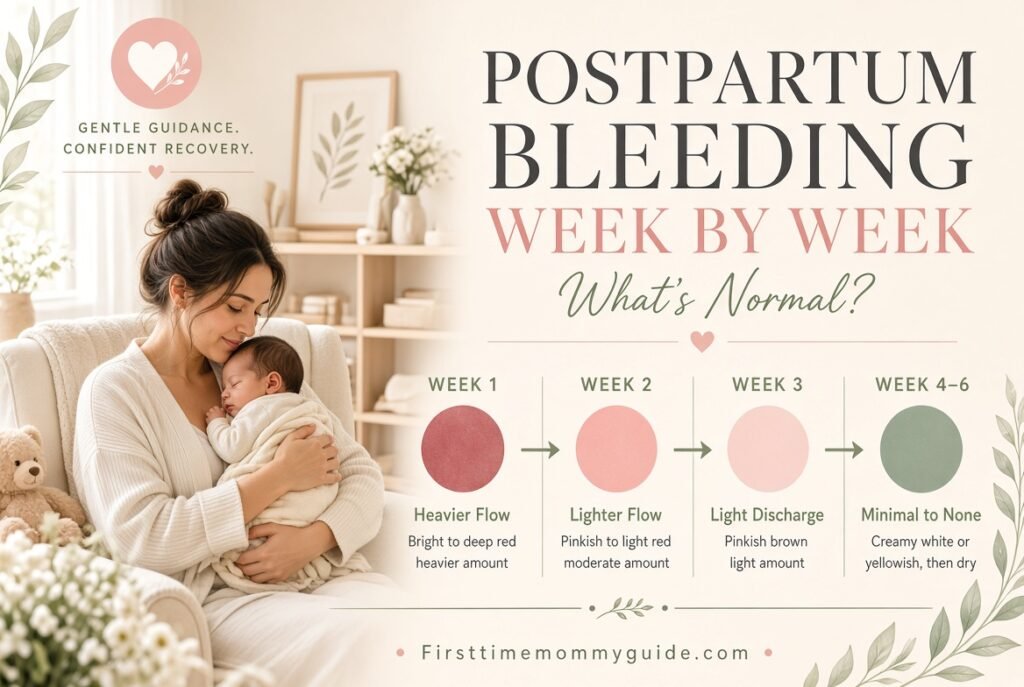
Seeing the bigger picture can make small fluctuations feel less alarming. Here is a general week-by-week overview of what many moms experience.
| Week | What to Expect |
|---|---|
| Week 1 | Heaviest flow, bright red, may include clots |
| Week 2 | Flow lightens, color shifts to pink or brown |
| Week 3 to 4 | Discharge becomes yellowish white, spotting is common |
| Week 5 to 6 | Bleeding often stops, though light spotting can persist |
| Week 6 to 8 | Occasional light spotting is still within normal range |
Every mom’s body moves through these stages at a slightly different pace. Use this table as a general reference rather than a strict rule.
Who Is More Likely to Experience Renewed Bleeding
Certain factors can make a return of bleeding more likely. Knowing your own risk factors helps you stay alert without becoming anxious.
- A history of heavy bleeding right after delivery
- Manual removal of the placenta during birth
- A multiple birth, such as twins
- A longer labor or a large baby
- Returning to normal activity levels very quickly
Having one of these factors does not mean a problem will happen. It simply means paying a little closer attention to your bleeding pattern is worthwhile.
Normal Bleeding vs Warning Signs Table
Use this quick comparison to help judge what you are experiencing.
| Signal | Likely Normal | Needs a Doctor |
|---|---|---|
| Flow | Light to moderate, similar to a period | Soaks a pad in an hour or less |
| Color | Pink, brown, or light red | Bright red and heavy after day 4 |
| Clots | Small, occasional | Larger than a golf ball |
| Odor | Mild, similar to menstrual blood | Strong or foul smell |
| Other symptoms | None or mild cramping | Fever, chills, dizziness, rapid heartbeat |
| Duration of return | A few days, then fades again | Continues or worsens over several days |
This table is a general guide only. Always trust your instincts and call your provider if something feels wrong.
Red Flags That Need Immediate Medical Attention
Certain symptoms should never be brushed off, even if they seem minor at first. Contact your provider or go to urgent care right away if you notice any of these.
- Soaking through one pad an hour for two or more hours in a row
- Passing clots larger than a golf ball
- Bleeding that turns bright red again after several days of lighter flow
- Fever above 100.4°F or chills
- Foul-smelling vaginal discharge
- Severe abdominal or pelvic pain
- Dizziness, fainting, or a racing heartbeat
- Bleeding that lasts longer than six to eight weeks without slowing
Postpartum hemorrhage is a recognized medical emergency, and prompt treatment makes a significant difference. When in doubt, always call your provider rather than waiting it out.
How Doctors Diagnose the Cause of Renewed Bleeding
If your provider suspects something beyond normal lochia, they will usually start with a physical exam. This helps them check for uterine tenderness, fever, or unusual discharge.
An ultrasound is often the next step, since it can reveal retained tissue or a thickened uterine lining. Blood tests may also be ordered to rule out infection or check for anemia from blood loss.
Treatment depends entirely on the cause. Options can range from a short course of antibiotics for infection to medication that helps the uterus contract, or a minor procedure to remove retained tissue.
Bleeding After Vaginal Birth vs C-Section
Many moms assume a C-section means little to no bleeding, but that is a common misconception. Lochia still occurs because the uterine lining sheds regardless of delivery method.
Vaginal Birth Bleeding
Bleeding after vaginal birth tends to be slightly heavier in the first few days. This is because the uterus contracts to close the blood vessels left open by the placenta.
C-Section Bleeding
C-section bleeding is often a bit lighter overall since some clots and tissue are removed during surgery. Bleeding can still stop and restart during the six-week recovery window, just as it can after a vaginal delivery.
How Long Does Postpartum Bleeding Usually Last
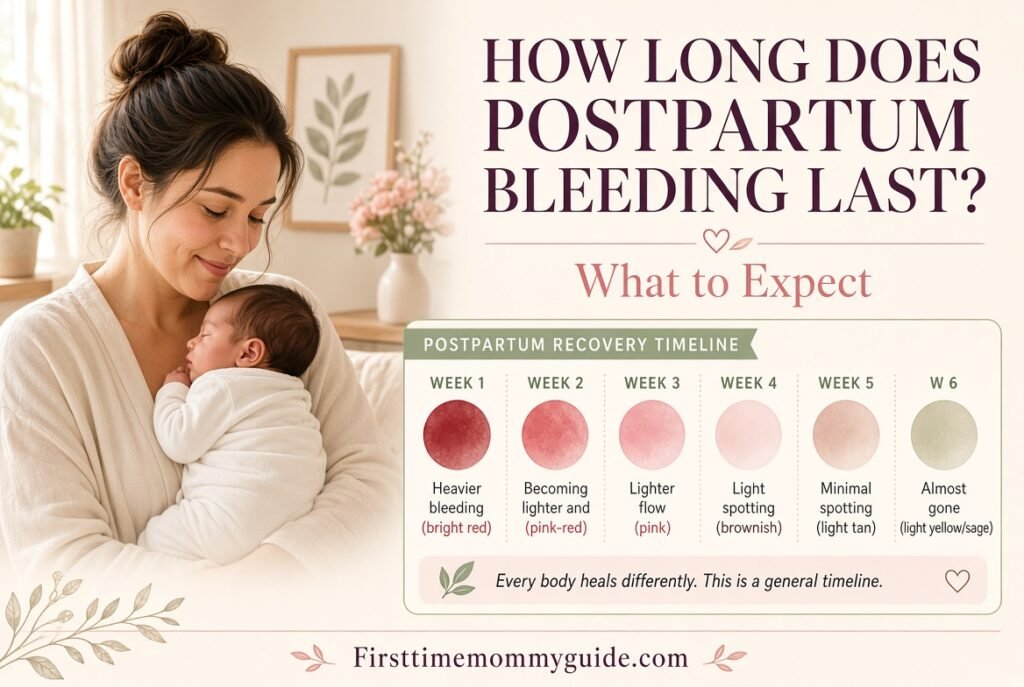
Most lochia resolves within four to six weeks after delivery. Some women continue light spotting for up to eight weeks, which still falls within a typical range.
If bleeding is heavy, painful, or foul-smelling well past this window, it is worth a call to your provider. A postpartum checkup, usually scheduled around six weeks, is a good time to raise any lingering concerns.
What to Do If Your Bleeding Restarts
A sudden return of red bleeding does not automatically mean something is wrong. These simple steps can help you respond calmly and appropriately.
Step 1: Slow Down Your Activity
Sit or lie down and rest for the remainder of the day. Avoid lifting, exercise, or long periods of standing until the bleeding settles again.
Step 2: Track the Flow and Color
Note how heavy the bleeding is and how quickly it changes. A short return that fades within a day or two is usually a normal healing pattern.
Step 3: Watch for Accompanying Symptoms
Check your temperature and pay attention to any pain, odor, or dizziness. These extra signs help you and your provider decide the next step.
Step 4: Call Your Provider If It Persists or Worsens
Reach out if bleeding stays heavy, returns more than once, or is joined by any red flag symptom. Your provider may recommend an exam or ultrasound to check for retained tissue.
How to Track Your Postpartum Bleeding
Keeping a simple daily log can make it much easier to notice patterns and describe your symptoms clearly at appointments.
- Write down the color of your bleeding each morning
- Note how many pads you use and how saturated they are
- Record any clots and their approximate size
- Mention any activity, such as exercise or breastfeeding, right before a flare
- Track your temperature if bleeding returns unexpectedly
This kind of record turns a vague worry into clear information your provider can act on quickly.
A simple pad-saturation scale can also help you describe flow accurately over the phone. Light means spotting only, moderate means a pad is partly soaked, and heavy means a pad is fully soaked within an hour.
The Emotional Side of Unexpected Bleeding
Seeing blood again after thinking recovery was finished can bring back anxiety, especially for first-time moms. That reaction is completely understandable and very common.
It can help to remind yourself that a brief return of bleeding is frequently part of normal healing rather than a setback. Sharing your concerns with your partner, a friend, or your provider can also ease the worry while you wait to see how the bleeding progresses.
Tips to Support Healthy Postpartum Recovery
Supporting your body during the fourth trimester can reduce the chances of overexertion-related bleeding. These habits are gentle and easy to build into your daily routine.
- Rest whenever your baby sleeps, especially in the first two weeks
- Stay hydrated and eat iron-rich foods to support blood recovery
- Avoid heavy lifting beyond your baby’s weight until cleared by your provider
- Use pads instead of tampons until your provider gives the all clear
- Attend your postpartum checkup even if you feel fine
Small adjustments to pace yourself often prevent the stop-and-start bleeding pattern from repeating too often.
Mistakes to Avoid During Postpartum Recovery
A few common habits can unintentionally prolong bleeding or trigger it to return. Avoiding these can support smoother healing.
- Resuming intense exercise before your provider clears you
- Skipping rest because the baby seems to be sleeping well
- Ignoring a fever because you assume it is unrelated
- Using tampons or menstrual cups before the six-week checkup
- Waiting too long to call your provider about heavy bleeding
Expert Tips for New Moms
Small, consistent habits often make the biggest difference during postpartum recovery. Keep these tips in mind as you heal.
- Change pads regularly to monitor flow accurately and reduce infection risk
- Keep your six-week postpartum appointment even if bleeding has stopped
- Ask your provider directly if a symptom feels unusual rather than searching alone
- Give yourself grace. Recovery timelines vary widely between moms
Also Read: https://firsttimemomguide.com/
- Pregnancy Guide Month by Month: Everything You Need to Know (1–9)
- First Year Mom Guide Every New Mother Needs
- Baby Sleep Guide for New Moms
- Mom Life: Postpartum Recovery, Self-Care and Parenting Tips
- Baby Essentials for Newborns and First-Time Moms
- 6 to 12 Month Baby Food Guide
Frequently Asked Questions (FAQs)
Is it normal for postpartum bleeding to stop and then start again?
Yes, this is common and often linked to activity, breastfeeding, or the final stage of uterine healing. It usually settles back down within a day or two of rest.
How much bleeding is too much after having a baby?
Soaking a pad in an hour or less, or passing clots larger than a golf ball, is considered too much. Contact your provider right away if this happens.
Can breastfeeding cause bleeding to start again?
Yes, nursing releases oxytocin, which makes your uterus contract. These contractions can trigger a brief return of red bleeding during or after feeding.
How long can postpartum bleeding last in total?
Most bleeding resolves within four to six weeks, though light spotting for up to eight weeks can still be normal. Anything heavier or longer should be checked by your provider.
What does it mean if my bleeding turns bright red again after it was light?
A short return to bright red bleeding after activity or breastfeeding is usually normal. If it is heavy, prolonged, or paired with fever or pain, seek medical care.
Can overexertion really cause bleeding to restart?
Yes, standing too long, lifting, or resuming exercise too early are common triggers. Resting typically brings the bleeding back down within a day or so.
What is secondary postpartum hemorrhage?
It is heavy bleeding that occurs between 24 hours and up to 12 weeks after delivery. It is uncommon but can require prompt medical treatment.
Does bleeding after a C-section stop and start again too?
Yes, C-section bleeding follows the same general pattern as vaginal birth bleeding, though it is often a bit lighter. It can still pause and briefly return during recovery.
When should I call my doctor about postpartum bleeding?
Call immediately for heavy soaking, large clots, fever, foul odor, dizziness, or bleeding that returns bright red after several lighter days. Trust your instincts if something feels off.
Could returning bleeding mean my period is back?
It is possible, especially if you are not exclusively breastfeeding and it has been six weeks or more. Tracking flow and timing over a few days can help you tell the difference from lochia.
Conclusion
Bleeding after birth stopped then started again is a common experience during postpartum recovery, and it is usually tied to activity, breastfeeding, or the final stages of uterine healing. Understanding the normal lochia timeline can help you feel more confident about what your body is doing.
Still, it is important to know the warning signs that call for medical attention, including heavy soaking, large clots, fever, or a foul odor. Trust your body, keep track of changes, and never hesitate to reach out to your provider with questions.
Every recovery journey looks a little different, and there is no need to compare your healing to anyone else’s. With rest, support, and attentive care, most moms move through this stage safely and steadily toward full recovery.

Dilawar Mughal
Founder and editor, First Time Mommy Guide
I research every guide against what the NHS, the AAP and the WHO publish, then write it in plain English — because most new parents are reading with one hand free, not comparing clinical guidelines. I'm not a doctor or a midwife. Every health claim on this site is sourced and linked so you can check it yourself, and anything urgent belongs with your health visitor or GP, not a blog.