General information, not medical advice. Every baby is different — if anything worries you, speak to your midwife, health visitor or GP rather than waiting.
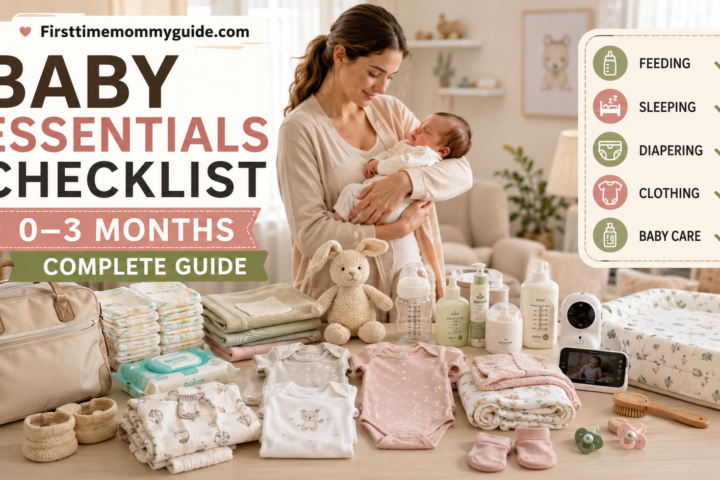
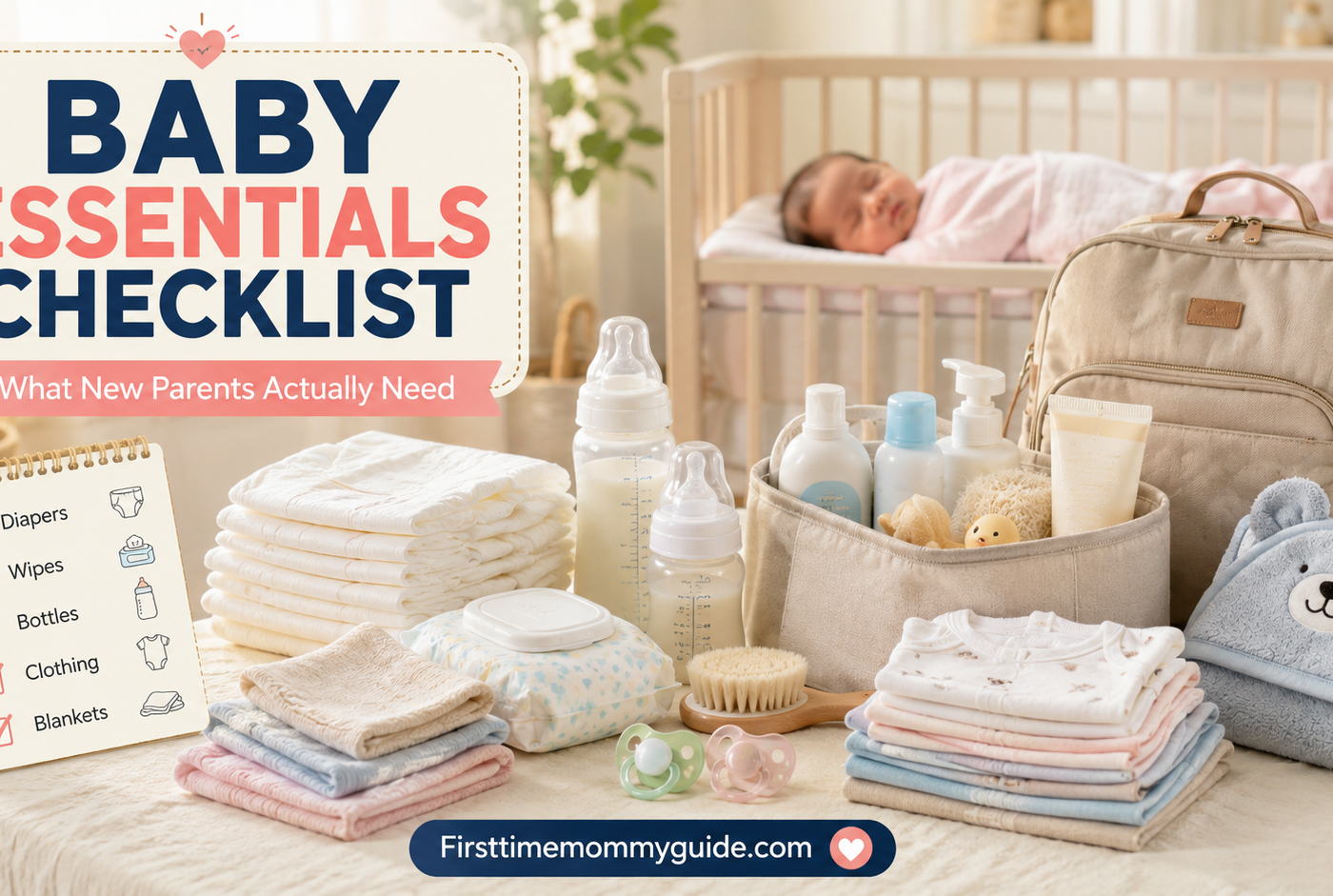
Baby Essentials Checklist: Walk into any baby store and you’ll see hundreds of products promising to be “essential.” Most aren’t. A newborn really only needs a handful of things to eat, sleep, and stay clean and safe — everything else is a nice-to-have.
The true non-negotiables are a safe sleep space (crib or bassinet with a firm mattress), a properly installed car seat, diapers and wipes, a few feeding items, weather-appropriate clothing, and basic health and safety supplies. Everything else can wait.
Table of Contents
Key Takeaways
- A newborn’s real needs fall into six categories: sleep, feeding, diapering, bathing, clothing, and health/safety.
- Car seats and cribs/bassinets must meet current safety standards — don’t accept hand-me-downs older than 6–10 years or with unknown crash history.
- Buy fewer newborn-size items than you think; babies outgrow them in weeks.
- “Nice-to-haves” (swings, wipe warmers, dedicated changing tables) can be added later once you know your baby’s habits.
- Budget in stages: pre-birth essentials, first-month essentials, and 3–12 month additions.
Do You Really Need a Long List of Baby Essentials?
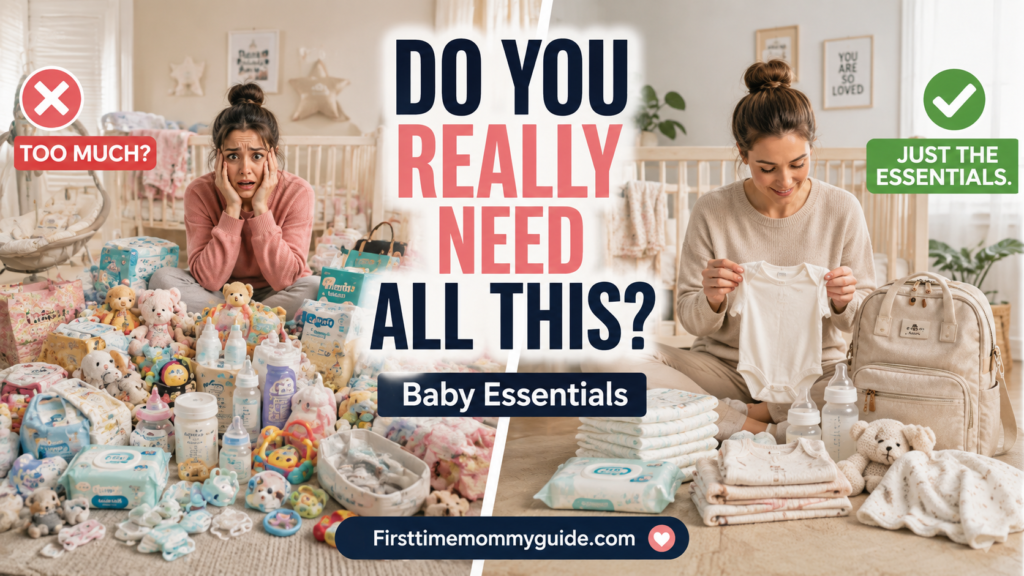
No — and this is where most checklists get it wrong. A newborn’s needs are simple: food, sleep, hygiene, warmth, and safety. The huge lists you see online mix true essentials with optional gear.
This guide flags every item as either:
- ✅ Essential — needed from day one
- 🟡 Helpful — makes life easier but not required
- ⭕ Skip for now — buy later if you find you need it
The Complete Baby Essentials Checklist by Category
1. Sleep Essentials
| Item | Status | Why It Matters |
|---|---|---|
| Crib or bassinet with firm mattress | ✅ Essential | The American Academy of Pediatrics (AAP) recommends a firm, flat sleep surface with a fitted sheet and nothing else in the sleep space for the first year. |
| Fitted crib/bassinet sheets (2–3) | ✅ Essential | For quick changes after leaks or spit-up. |
| Sleep sacks or swaddles | ✅ Essential | Safer than loose blankets, which are a suffocation risk. |
| Baby monitor | 🟡 Helpful | Useful once baby sleeps in a separate room. |
| White noise machine | 🟡 Helpful | Can support sleep routines but isn’t required. |
| Nursery decor, mobiles, crib bumpers | ⭕ Skip | Crib bumpers and soft bedding are discouraged by the AAP due to suffocation risk. |
Expert tip: Skip the dedicated nursery furniture splurge until you know whether your baby will room-share (most pediatricians recommend room-sharing without bed-sharing for at least the first 6 months).
2. Feeding Essentials
| Item | Status | Notes |
|---|---|---|
| Burp cloths (6–8) | ✅ Essential | For both breast and bottle feeding. |
| Bottles and nipples (if bottle/formula feeding) | ✅ Essential | Buy one brand in small quantity first — babies can be picky about nipple flow. |
| Nursing pillow | 🟡 Helpful | Supports positioning; not required for every parent. |
| Breast pump | 🟡 Helpful | Often covered by insurance under the ACA; order ahead of your due date if you plan to pump. |
| Nursing bras and nursing pads | ✅ Essential (if breastfeeding) | Needed from day one; sizing changes once milk comes in. |
| Bottle warmer, sterilizer | ⭕ Skip initially | Convenient but not required — a pot of hot water works for sterilizing. |
| High chair | ⭕ Skip for now | Not needed until solids start around 6 months. |
Comparison: Breastfeeding vs. Formula Feeding Starter Kit
| Category | Breastfeeding | Formula Feeding |
|---|---|---|
| Core gear | Nursing bras, pads, nipple cream, pump (optional) | Bottles, formula, bottle brush |
| Prep time per feed | None | 1–2 minutes |
| Upfront cost | Lower (unless pumping) | Ongoing formula cost |
| Flexibility | Requires you present or pumped milk | Anyone can feed baby |
3. Diapering Essentials
| Item | Status | Notes |
|---|---|---|
| Diapers (newborn size, small quantity) | ✅ Essential | Buy one small pack of newborn size — babies size up fast, often within 2–4 weeks. |
| Diapers, Size 1–2 (larger quantity) | ✅ Essential | Most time is spent in these sizes during year one. |
| Wipes | ✅ Essential | Fragrance-free is gentler on newborn skin. |
| Diaper rash cream | ✅ Essential | Nearly every baby experiences diaper rash at some point. |
| Changing pad | ✅ Essential | Can sit on a dresser or table — a full changing table isn’t required. |
| Diaper pail | 🟡 Helpful | Makes odor control easier but a regular lined trash can works. |
| Diaper caddy | 🟡 Helpful | Useful for keeping supplies within reach room to room. |
Cloth vs. Disposable Diapers
| Factor | Cloth | Disposable |
|---|---|---|
| Upfront cost | Higher | Lower |
| Long-term cost | Lower (reusable) | Higher (ongoing) |
| Laundry | Required (wash every 2–3 days) | None |
| Convenience for travel | Lower | Higher |
| Environmental impact | Lower waste, higher water use | Higher landfill waste |
4. Bathing and Hygiene Essentials
| Item | Status | Notes |
|---|---|---|
| Infant bathtub or sink insert | ✅ Essential | Sponge baths are enough for the first couple weeks; a tub or insert helps after the umbilical cord falls off. |
| Baby shampoo/body wash (tear-free) | ✅ Essential | One gentle, fragrance-free product covers both. |
| Hooded towels (2) | ✅ Essential | Hood keeps a wet head warm after bath time. |
| Washcloths (4–6) | ✅ Essential | For bathing and general cleanup. |
| Nail clippers or file | ✅ Essential | Newborn nails grow fast and can scratch. |
| Bath toys | ⭕ Skip for now | Babies typically don’t engage with toys until around 6 months. |
Newborns only need a bath about twice a week — over-bathing can dry out sensitive skin.
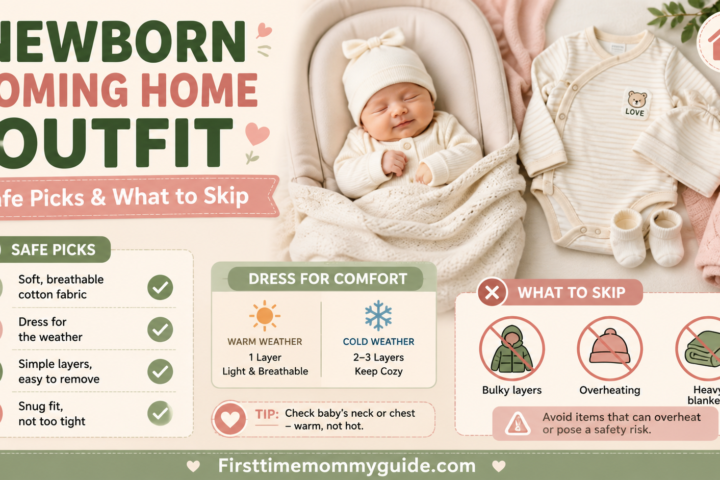
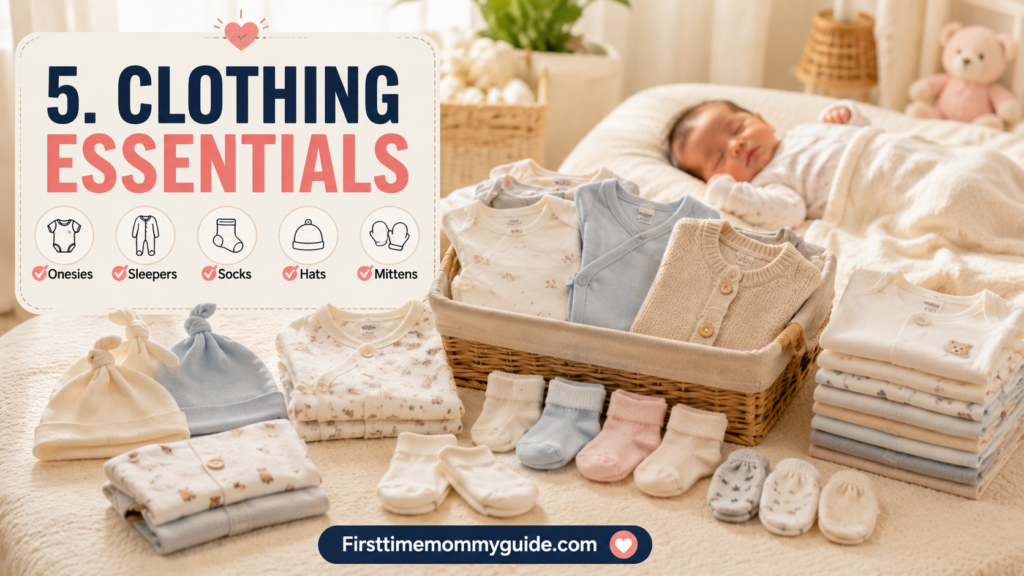
5. Clothing Essentials
| Item | Quantity | Notes |
|---|---|---|
| Onesies/bodysuits | 6–8 | Highest-rotation item; buy mostly in 0–3 month size. |
| Sleepers/footed pajamas | 4–6 | Easy for nighttime diaper changes. |
| Swaddle blankets | 3–4 | For sleep and general wrapping. |
| Socks/booties | 4–6 pairs | Newborns lose body heat through feet and hands. |
| Hat | 1–2 | Especially important for the first days home. |
| Weather-appropriate outerwear | As needed | Depends on season and climate. |
Sizing tip: Most newborn-size clothing fits babies up to about 8 lbs. Since average birth weight is higher than that, many babies skip newborn size almost entirely — buy only a few newborn pieces and stock up more on 0–3 months.
6. Health and Safety Essentials
| Item | Status | Notes |
|---|---|---|
| Rear-facing infant car seat | ✅ Essential | Required by law in all 50 states to leave the hospital; must be properly installed and never previously in a crash. |
| Digital thermometer | ✅ Essential | For monitoring fevers. |
| Nasal aspirator/bulb syringe | ✅ Essential | Newborns can’t blow their noses. |
| Baby first-aid kit | ✅ Essential | Basic supplies: antiseptic, bandages, blunt scissors. |
| Baby nail file | ✅ Essential | Safer than clippers in the first weeks. |
| Baby-safe laundry detergent | 🟡 Helpful | Reduces risk of skin irritation from regular detergent residue. |
| Baby proofing supplies | ⭕ Skip for now | Not needed until baby becomes mobile, around 6–9 months. |
7. On-the-Go Essentials
| Item | Status | Notes |
|---|---|---|
| Stroller | ✅ Essential | Choose based on lifestyle — jogging, city, or travel system. |
| Diaper bag | ✅ Essential | Look for insulated pockets and a built-in changing pad. |
| Baby carrier or wrap | 🟡 Helpful | Frees up your hands and supports bonding. |
| Portable changing pad | ✅ Essential | For diaper changes away from home. |
What You Don’t Need Right Away (Save Your Money)
- Wipe warmers
- Dedicated changing table (a pad on a dresser works)
- Baby food makers (not needed until ~6 months)
- Shoes (babies who aren’t walking don’t need them)
- Bath toys
- Large toy collections
- A full nursery furniture set from day one
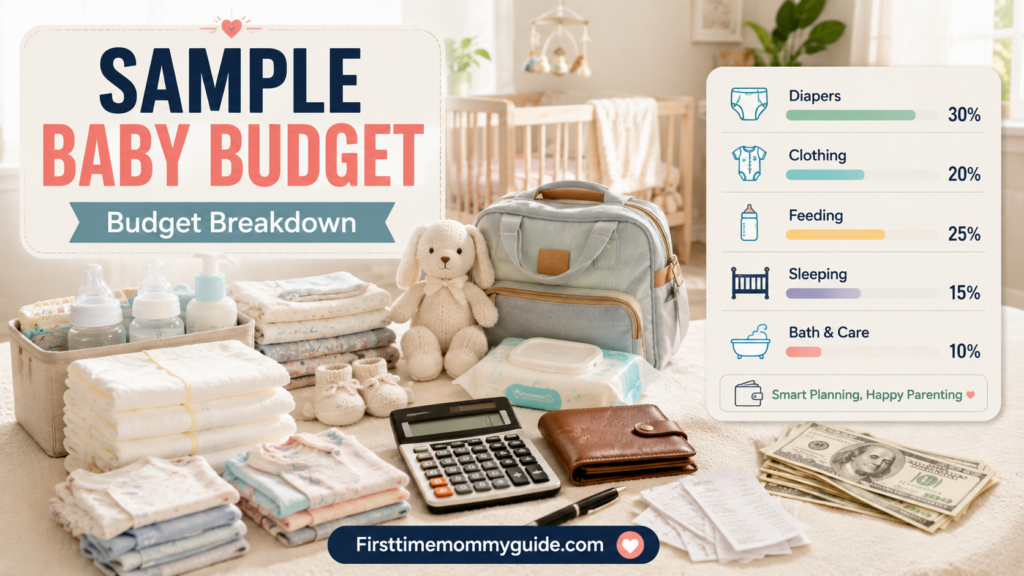
Sample Budget Breakdown
| Stage | What to Buy | Typical Range (USD) |
|---|---|---|
| Pre-birth (hospital bag + first week) | Car seat, a few outfits, diapers, wipes | $300–$600 |
| First month | Feeding supplies, sleep setup, bathing basics | $200–$500 |
| Months 3–12 | High chair, baby proofing, seasonal clothing | $300–$800 |
Costs vary widely by brand choice and whether items are new or gently used (car seats and cribs should always be new or verified safe).
Frequently Asked Questions (FAQs)
What are the absolute must-have baby essentials?
A safe sleep space, a properly installed car seat, diapers and wipes, basic feeding supplies, and a few outfits in the right size.
How many newborn-size clothes do I actually need?
Just 3–5 pieces. Most babies move into 0–3 month sizing within a few weeks.
Do I need a crib and a bassinet?
No — pick one. Bassinets are convenient for room-sharing in early months; a crib works from day one and lasts longer.
Is a wipe warmer necessary?
No. It’s a comfort item, not a safety or health necessity.
How many diapers should I buy before the baby arrives?
One small pack of newborn size, then a larger supply of Size 1 and Size 2, since babies spend more time in those sizes.
Do I need a diaper pail?
It’s helpful for odor control but not required — a regular lined trash can works.
When do I need a high chair?
Around 6 months, when solid foods typically start.
What car seat features matter most?
Proper installation, a model that hasn’t been in a crash, and compliance with current federal safety standards.
Can I use secondhand baby gear?
Yes for clothing, some furniture, and toys. No for car seats and cribs unless you can verify full safety history and age.
How many onesies does a newborn need?
6–8 is typical, accounting for laundry frequency and frequent changes.
Do I need a baby monitor from day one?
Not if the baby is room-sharing. It becomes more useful once baby moves to their own room.
What’s the difference between a swaddle and a sleep sack?
A swaddle wraps the arms; a sleep sack is a wearable blanket that leaves arms free — many parents transition from swaddle to sleep sack once baby starts rolling.
Do I need special baby laundry detergent?
It’s a helpful precaution for sensitive skin but not strictly required for every baby.
What should be in a newborn first-aid kit?
A digital thermometer, nasal aspirator, antiseptic wipes, blunt-tip scissors, and bandages.
How soon before the due date should I install the car seat?
By 36 weeks, so it’s ready and can be checked by a certified technician if needed.
Do I need bottles if I’m exclusively breastfeeding?
Many parents keep a few on hand for pumped milk or if plans change, but it’s not mandatory.
What’s the safest sleep setup?
A firm mattress, fitted sheet, and nothing else — no pillows, blankets, or bumpers — per AAP safe sleep guidelines.
How many burp cloths do I need?
6–8 is a comfortable starting number for daily use.
Should I buy a changing table?
Not required — a changing pad on any flat, stable surface works fine.
What baby essentials are worth splurging on?
Car seat and stroller, since you’ll use them daily for years and safety/durability matter most there.
Conclusion
You don’t need everything on a 200-item registry list to be ready for your baby.
Focus on the essentials that cover sleep, feeding, diapering, clothing, and safety first — and add convenience items later once you learn your baby’s specific needs and your own routine.

Dilawar Mughal
Founder and editor, First Time Mommy Guide
I research every guide against what the NHS, the AAP and the WHO publish, then write it in plain English — because most new parents are reading with one hand free, not comparing clinical guidelines. I'm not a doctor or a midwife. Every health claim on this site is sourced and linked so you can check it yourself, and anything urgent belongs with your health visitor or GP, not a blog.