
General information, not medical advice. Every baby is different — if anything worries you, speak to your midwife, health visitor or GP rather than waiting.
Feeling wiped out, dizzy, or crampy even after drinking plain water? You might be low on electrolytes, and pregnancy makes that a lot more likely.
Your blood volume climbs by nearly 50% during pregnancy, and morning sickness can drain sodium and potassium fast. That’s exactly why so many expecting moms start searching for the best electrolytes for pregnancy.
The best electrolytes for pregnancy come from low-sugar, low-additive sources with balanced sodium and potassium — think coconut water, Pedialyte, LMNT, or Ultima Replenisher — always confirmed with your OB or midwife first, especially if you have preeclampsia risk or gestational hypertension.
Table of Contents
What Are Electrolytes, and Why Do They Matter in Pregnancy?
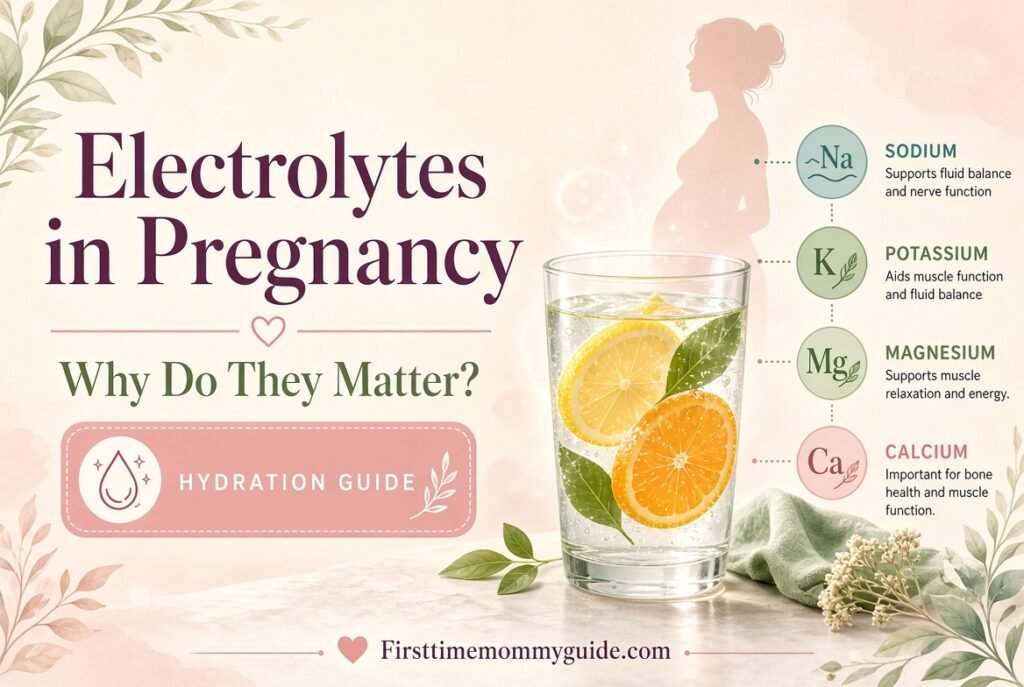
Electrolytes are minerals — mainly sodium, potassium, magnesium, calcium, and chloride — that carry electrical charges in your body. They control fluid balance, muscle function, and nerve signals.
During pregnancy, your body needs more fluid and more of these minerals to support your growing blood volume, amniotic fluid, and your baby’s development.
When electrolyte levels drop, you may feel it fast: fatigue, dizziness, headaches, leg cramps, or a racing heartbeat.
Why Pregnant Women Are More Prone to Electrolyte Imbalance
Several pregnancy-specific factors push electrolyte needs higher than usual.
- Blood volume expands by 40–50%, increasing fluid demand
- Morning sickness or hyperemesis gravidarum causes fluid and sodium loss through vomiting
- Increased sweating from a higher metabolic rate
- More frequent urination reduces fluid retention
- Higher core body temperature in the second and third trimester
Even mild dehydration in pregnancy has been linked to more frequent contractions and fatigue, which is why staying ahead of fluid loss matters.
Signs You May Need More Electrolytes
Your body usually gives warning signs before things get serious.
- Persistent leg or foot cramps, especially at night
- Lightheadedness when standing up
- Dark yellow urine or infrequent urination
- Headaches that don’t ease with rest
- Unusual fatigue beyond normal pregnancy tiredness
- Nausea that worsens with dehydration
If vomiting is frequent and you can’t keep fluids down, that’s a sign to call your provider rather than self-treat.
Are Electrolyte Drinks Safe During Pregnancy?
Most electrolyte drinks are safe in pregnancy, but “most” isn’t “all.” Safety comes down to the ingredient list, not the marketing.
Products with no added sugar, no artificial dyes, and moderate sodium are generally the safest starting point. Anything with high caffeine, unverified herbal blends, or excess vitamin A should be checked with your provider first.
If you have preeclampsia, gestational hypertension, or are on a sodium-restricted diet, talk to your OB before adding a high-sodium electrolyte mix to your routine.
Best Electrolytes for Pregnancy: Top Picks
Here are commonly recommended options, grouped by what makes each one useful.
1. Pedialyte
Originally formulated for rehydration in illness, Pedialyte is often recommended by OBs for morning sickness or mild hyperemesis. It has a clinically balanced sodium-to-glucose ratio designed to support fluid absorption.
2. LMNT
LMNT is a no-sugar electrolyte powder with a higher sodium content, popular for its clean ingredient list. It works well for women dealing with low blood pressure or heavy sweating, but the sodium level means it’s worth checking with your provider if you have hypertension.
3. Ultima Replenisher
Ultima is sugar-free, uses stevia, and includes a broader mineral blend including magnesium and calcium. It’s a gentler option for women who want variety without added sugar.
4. Liquid I.V.
Liquid I.V. uses a “cellular transport technology” formula with added glucose to support absorption. It does contain sugar, so it’s worth moderating if you’re managing gestational diabetes.
5. Nuun Sport
Nuun tablets dissolve in water and offer a lighter sodium dose than LMNT, making them a good middle-ground option for everyday hydration rather than acute dehydration.
6. Coconut Water
A completely natural option, coconut water is rich in potassium with modest sodium. It’s a solid daily choice, though it won’t replace sodium losses from severe vomiting on its own.
Comparison Table: Popular Electrolyte Options for Pregnancy
| Product | Sugar | Sodium Level | Best For | Watch For |
|---|---|---|---|---|
| Pedialyte | Low | Balanced/clinical | Morning sickness, illness | Artificial flavors in some varieties |
| LMNT | None | High | Heavy sweating, cramping | High sodium if hypertensive |
| Ultima Replenisher | None (stevia) | Moderate | Daily use, broader minerals | Stevia sensitivity in some |
| Liquid I.V. | Moderate | Moderate | Fast rehydration | Added sugar, gestational diabetes |
| Nuun Sport | Low | Light-moderate | Everyday hydration | Less effective for severe fluid loss |
| Coconut Water | Natural sugars | Low-moderate | Daily potassium boost | Not enough sodium alone for severe dehydration |
Natural Food Sources of Electrolytes
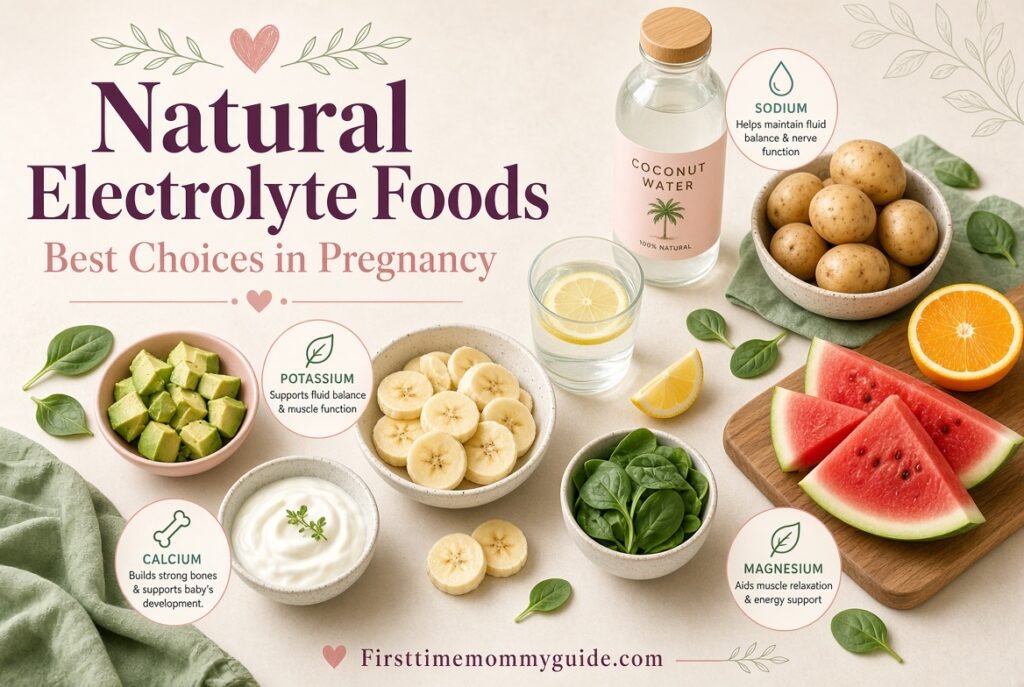
Food-first is always a reasonable place to start before reaching for a powder or drink.
- Sodium: Broth, olives, pickles, and salted nuts
- Potassium: Bananas, oranges, potatoes, spinach
- Magnesium: Almonds, pumpkin seeds, leafy greens
- Calcium: Yogurt, milk, fortified plant milk, tofu
A mix of water and whole foods covers most mild needs without any product at all.
How Much Fluid and Sodium Do You Actually Need?
Needs vary by body size, activity, climate, and trimester, so there’s no single number that fits everyone. General guidance suggests aiming for consistent, pale-yellow urine as a simple daily marker of adequate hydration.
Rather than counting exact milligrams, most providers recommend drinking water throughout the day and adding an electrolyte source when you’re sweating heavily, vomiting, or feeling early dehydration symptoms.
Always ask your OB or midwife for a number tailored to your specific pregnancy, especially if you have a heart, kidney, or blood pressure condition.
Electrolytes for Morning Sickness and Hyperemesis Gravidarum
Mild nausea usually responds well to small sips of an electrolyte drink throughout the day rather than large amounts at once.
For hyperemesis gravidarum, where vomiting is severe and frequent, over-the-counter drinks often aren’t enough. This condition sometimes requires IV fluids and should always be managed with your care team.
If you’re unable to keep any fluids down for more than a few hours, contact your provider rather than waiting it out.
Electrolytes for Labor and Postpartum Recovery
Labor is physically demanding, and many birth teams now encourage sipping electrolyte drinks during early labor to support energy and hydration.
After delivery, breastfeeding increases fluid needs further, and postpartum sweating is common in the first week. Keeping an electrolyte drink on hand during this stage can help with energy and milk supply support.
What to Avoid in Electrolyte Products During Pregnancy
Not every “hydration” product on the shelf is a good fit right now.
- High-caffeine energy-electrolyte hybrids
- Products with unverified herbal or “detox” blends
- Excess vitamin A from multivitamin-electrolyte combos
- Very high sugar sports drinks as a daily habit
- Alcohol-based electrolyte tablets or mixers
How to Choose the Right Electrolyte Product
A simple checklist makes label-reading faster.
- Check the sugar content first
- Compare sodium levels against your specific health needs
- Look for third-party tested or reputable brands
- Avoid long, unfamiliar ingredient lists
- Confirm with your OB if you have any pregnancy complication
Common Mistakes to Avoid
- Waiting until you feel very dehydrated before drinking anything
- Assuming all sports drinks are equally safe in pregnancy
- Overdoing sodium without medical guidance if you have high blood pressure
- Relying only on electrolyte drinks instead of also eating regularly
- Ignoring severe or persistent vomiting instead of calling your provider
Expert Tips for Staying Hydrated Through Pregnancy

- Keep a reusable water bottle visible as a visual reminder
- Pre-mix an electrolyte drink for hot days or workouts
- Pair fluids with a small snack to ease nausea
- Track urine color instead of counting exact ounces
- Ask your provider to flag any condition that changes your sodium needs
Also Read:
- Pregnancy Guide Month by Month: Symptoms & Baby Growth
- 17 Weeks Pregnant: Symptoms, Baby Size & What to Expect 2026
- 25 Weeks Pregnant: Symptoms, Baby Size & What to Expect 2026
- 33 Weeks Pregnant: Symptoms, Baby Development & What to Expect 2026
- Pregnancy Week By Week 7: Symptoms & Baby Size 2026
- FBS Test for Pregnant: Normal Range, Purpose & Next Steps 2026
- SPD Pregnancy: Symptoms, Causes & Relief Tips (2026 Guide)
- Pelvic Pain During Pregnancy: Causes, Relief & When to Worry 2026
- Sex Positions to Induce Labor: Safe Options (2026)
- Maternity Leggings: The Complete Guide for Every Trimester 2026
- Leggings in Pregnancy: Is It Safe to Wear Them Every Trimester? 2026
- How Long Do You Bleed After You Give Birth? Full Timeline Guide 2026
- After Giving Birth First Period: Timeline, Symptoms & What’s Normal 2026
- Baby Sleep Guide for New Moms: Safe Sleep & Schedules (2026)
- When Do Babies Start Rolling Over? (2026 Guide)
- When Do Infants Roll From Tummy to Back? (2026 Guide)
- Sunny Side Up Baby: What It Means, Why It Happens & How to Turn Baby (2026 Guide)
- How to Become a Midwife: Complete Step-by-Step Guide 2026
- First Foods for Baby at 6 Months: A Complete Guide to Starting Solids 2026
- First Food for Baby 6 Months: Best Options, Safety Tips & Feeding Guide
- Sweet Potato Puree for Baby: Easy Recipe, Age Guide & Storage Tips
- Spinach Puree for Baby: Safe Recipe, Nitrate Facts & Age Guide
- Blueberry Puree for Baby: Easy Recipe & Choking Safety Guide
- Homemade Pumpkin Puree for Baby: Easy, Safe Recipe (6+ Months)
- Zucchini Puree for Baby: Easy Recipe & Age Guide
Frequently Asked Questions (FAQs)
Is it safe to drink electrolyte water every day during pregnancy?
Yes, for most pregnant women, moderate daily use of a low-sugar electrolyte drink is safe. Check with your provider if you have high blood pressure or kidney concerns.
What is the best electrolyte drink for morning sickness?
Pedialyte and small, frequent sips of a low-sugar option like Ultima Replenisher are commonly recommended for nausea-related fluid loss.
Can I drink Liquid I.V. while pregnant?
Most OBs consider Liquid I.V. safe in moderation, but its added sugar content means it shouldn’t replace water as your main fluid source, especially with gestational diabetes.
Is LMNT safe during pregnancy?
LMNT is generally considered safe, but its high sodium level means it’s worth discussing with your provider if you have hypertension or preeclampsia risk.
How do I know if I’m dehydrated during pregnancy?
Dark urine, dizziness, headaches, and unusual fatigue are common signs. Persistent symptoms should be reported to your provider.
Can dehydration cause contractions?
Yes, dehydration can trigger Braxton Hicks contractions or, in some cases, more frequent uterine activity. Rehydrating often eases this.
Is coconut water a good electrolyte source in pregnancy?
Yes, coconut water offers natural potassium and modest sodium, making it a gentle daily option, though it may not be enough for severe dehydration alone.
How much water should I drink daily while pregnant?
Needs vary by body size and activity, but pale yellow urine is a simple daily indicator that you’re drinking enough.
Are sports drinks like Gatorade safe during pregnancy?
They’re generally safe occasionally, but their added sugar and dyes make them less ideal as a daily hydration habit compared to lower-sugar options.
Can electrolyte imbalance affect my baby?
Severe, prolonged electrolyte imbalance can affect amniotic fluid and maternal health, which is why persistent vomiting or dehydration should always be evaluated by your provider.
What foods are naturally high in electrolytes?
Bananas, potatoes, spinach, yogurt, and salted broths are all natural sources of key electrolytes like potassium, magnesium, calcium, and sodium.
Is it normal to crave salty foods during pregnancy?
Yes, increased blood volume and sodium needs can drive salt cravings, which is often your body signaling a genuine need.
Can too much sodium be harmful in pregnancy?
Yes, especially if you have gestational hypertension or preeclampsia risk. Discuss your sodium intake with your provider if you have either condition.
What’s the difference between Pedialyte and sports drinks?
Pedialyte is formulated with a clinical sodium-to-glucose ratio designed for rehydration, while sports drinks are formulated for athletic performance and often contain more sugar.
Should I take an electrolyte supplement even without symptoms?
It’s not usually necessary if you’re eating and drinking normally. Supplements are most useful when you’re sweating heavily, vomiting, or showing dehydration signs.
Can electrolyte drinks help with pregnancy leg cramps?
Yes, low magnesium or potassium is a common cause of pregnancy leg cramps, and electrolyte drinks with these minerals may help.
Is stevia safe in pregnancy-friendly electrolyte drinks?
Stevia is generally considered safe in moderate amounts during pregnancy, though some people prefer to avoid artificial sweeteners altogether.
When should I go to the hospital for dehydration in pregnancy?
If you can’t keep fluids down for several hours, feel faint, or have a rapid heartbeat alongside dark urine, seek medical care promptly.
Do I need electrolytes during early labor?
Many birth teams recommend sipping an electrolyte drink during early labor to help maintain energy and hydration through a long process.
Are electrolyte tablets like Nuun better than powders?
Tablets and powders work similarly; the difference usually comes down to convenience and ingredient preference rather than effectiveness.
Conclusion
Staying hydrated is one of the simplest things you can do for your pregnancy, but electrolytes make that hydration actually work. The best electrolytes for pregnancy are the ones with clean ingredients, a sodium level that fits your health profile, and your provider’s approval.
Whether you lean on coconut water, a trusted powder, or a mix of whole foods, small consistent habits matter more than any single “perfect” product.

Dilawar Mughal
Founder and editor, First Time Mommy Guide
I research every guide against what the NHS, the AAP and the WHO publish, then write it in plain English — because most new parents are reading with one hand free, not comparing clinical guidelines. I'm not a doctor or a midwife. Every health claim on this site is sourced and linked so you can check it yourself, and anything urgent belongs with your health visitor or GP, not a blog.